How to Choose the Right Crusher Manufacturer in India?
How Do I Choose the Right Crusher Manufacturer in India?
Choosing the right crusher manufacturer in India is an important decision for mining, quarrying, aggregate production, construction and material-processing projects. The right manufacturer should not only supply a crusher but also understand your material, production requirement, required output size, crushing stages, plant configuration and long-term maintenance needs.
A crusher that is suitable for one application may not be suitable for another. Material hardness, feed size, required capacity, final product size and the type of crushing process all influence equipment selection.
This guide explains the key factors to consider when selecting a crusher manufacturer in India and how to evaluate crushing equipment for your project.
What Should You Check Before Choosing a Crusher Manufacturer in India?
Before selecting a manufacturer, evaluate these important factors:
- Type of crusher required
- Required production capacity
- Material type and hardness
- Maximum feed size
- Required output size
- Number of crushing stages
- Complete plant requirements
- Equipment quality and manufacturing capability
- Spare parts and after-sales support
- Manufacturer's experience in relevant applications
A technical discussion with the manufacturer before purchasing equipment can help identify the appropriate crushing solution for your application.
1. Understand Which Type of Crusher You Need
The first step is identifying the type of crushing equipment required for your material and application.
Different crushers perform different functions in a crushing circuit.
Jaw Crusher
A jaw crusher is commonly used for primary crushing. It reduces large pieces of rock or other feed material into a smaller size for further processing.
Jaw crushers may be considered when the application requires primary size reduction and handling of relatively large feed material.
When evaluating a jaw crusher manufacturer, consider:
- Maximum feed size
- Required capacity
- Discharge size
- Material characteristics
- Crusher configuration
- Maintenance requirements
Cone Crusher
A cone crusher is generally used for secondary or tertiary crushing applications.
It can be considered when the crushing process requires further size reduction after primary crushing. The appropriate configuration depends on the material and required final product.
Important considerations include:
- Feed size
- Desired output
- Capacity
- Material characteristics
- Crushing stage
- Plant configuration
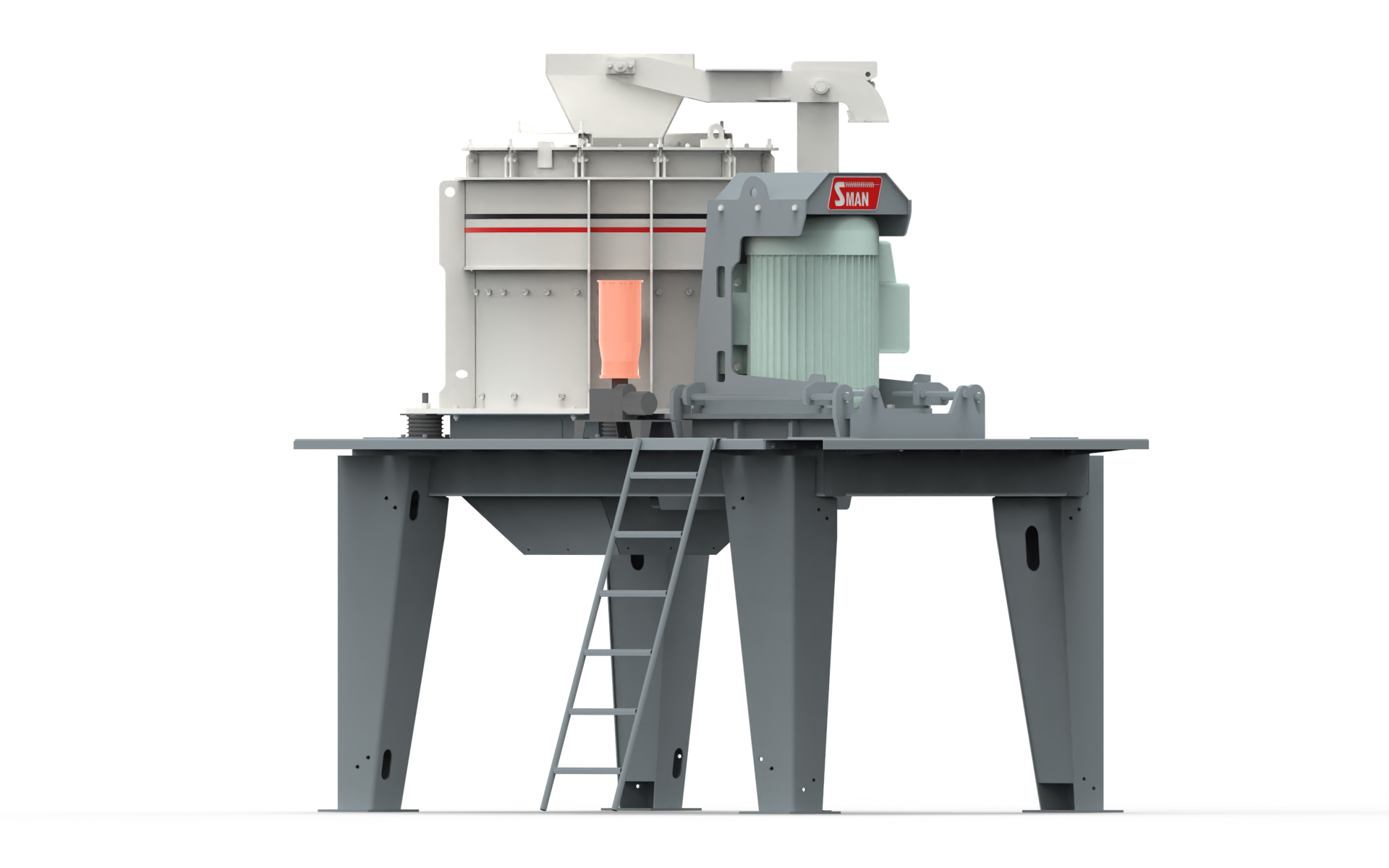
VSI Crusher
A Vertical Shaft Impactor, commonly known as a VSI crusher, is used in applications where controlled particle shaping and further size reduction are required.
VSI equipment can be an important part of manufactured sand and aggregate processing applications, depending on the material and desired product characteristics.
Other Crushing Equipment
Depending on the application, a crushing plant may also include equipment such as:
- Coal crushers
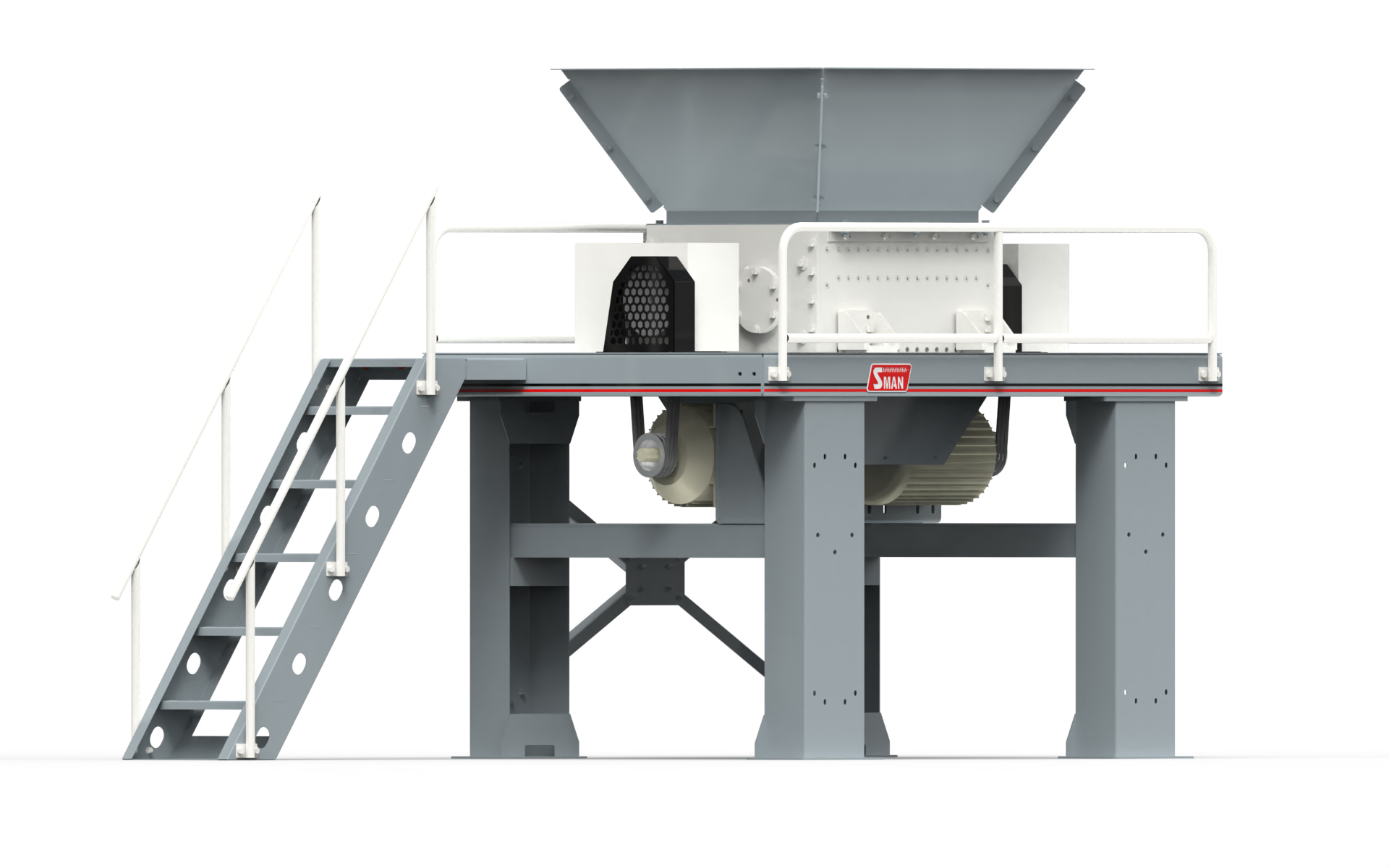
- Shredders
- PTO crushers
- Screening equipment
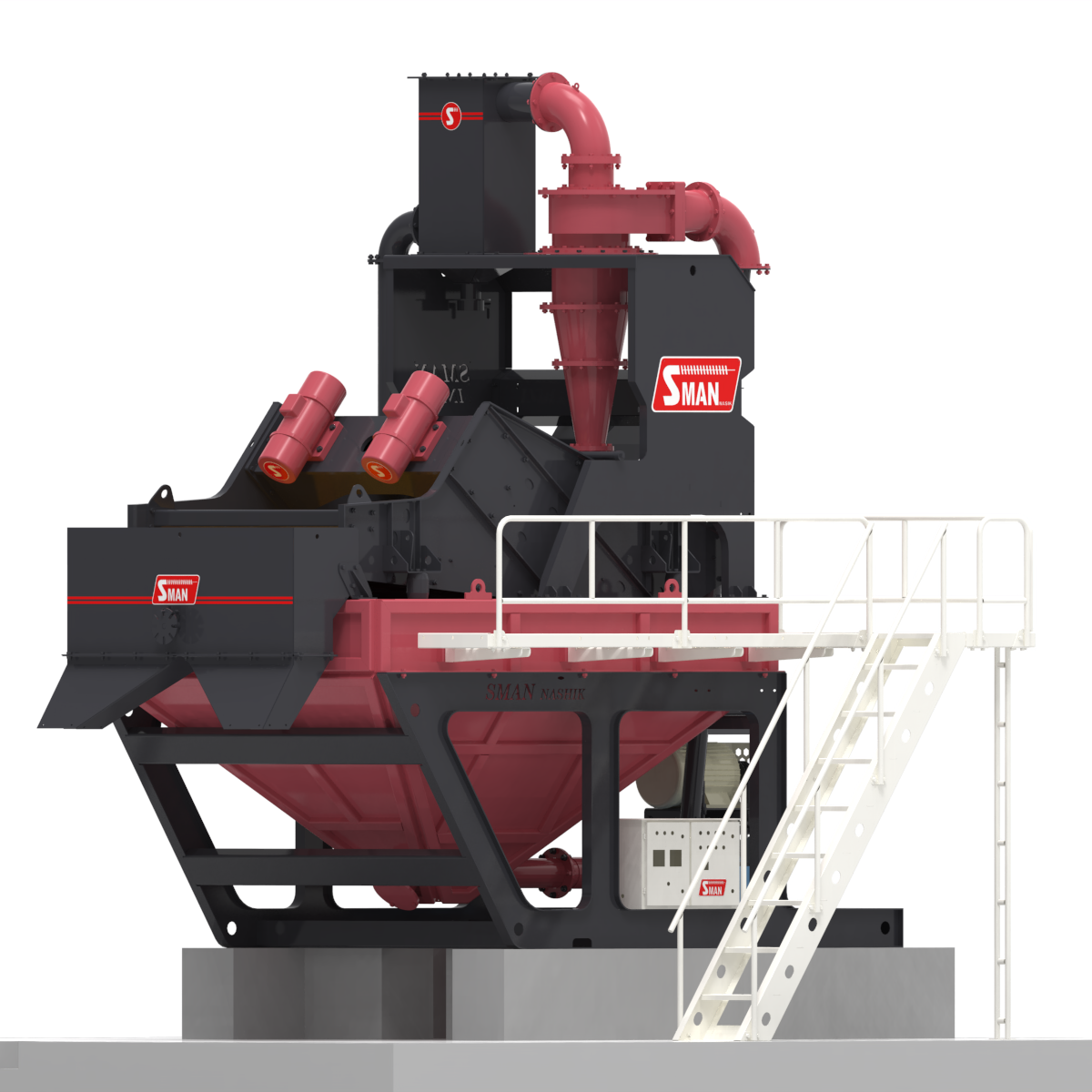
- Sand-making equipment
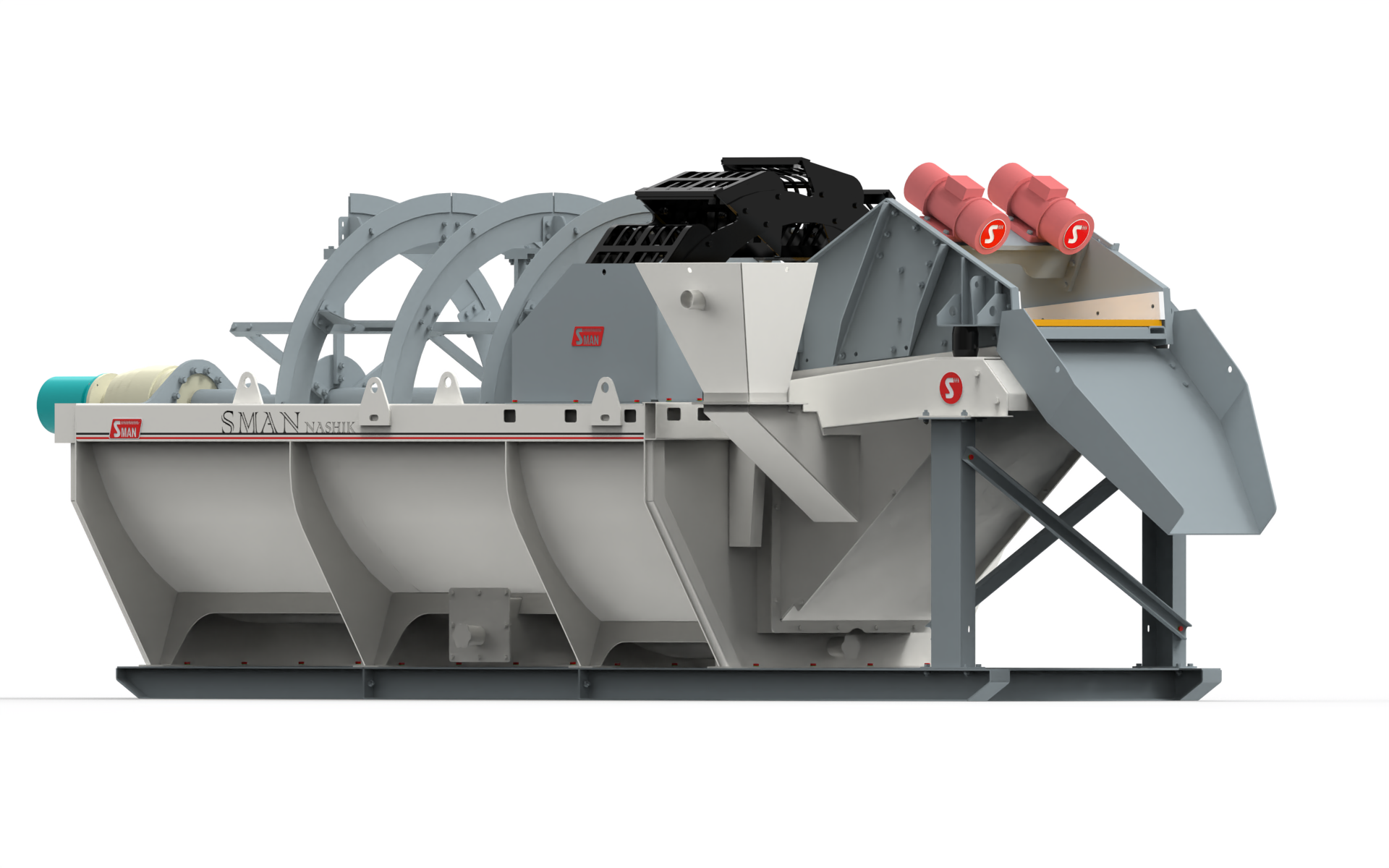
- Sand-washing equipment
- Conveying and allied equipment
The right equipment combination depends on the complete material-processing requirement rather than only the individual machine.
2. Check the Required Crusher Capacity
Capacity is one of the most important factors when selecting crushing equipment.
Capacity is generally considered in terms of tonnes per hour, or TPH. However, the actual output of a crusher depends on several operating and material-related factors.
Before contacting a crusher manufacturer, define your approximate production requirement.
For example:
- Required tonnes per hour
- Working hours per day
- Expected daily production
- Feed material
- Feed size
- Desired output
- Number of crushing stages
A manufacturer can then evaluate the requirement and recommend an appropriate equipment configuration.
Shakti Mining manufactures crushing equipment with stated capacity ranges from 30 TPH to 500 TPH, depending on the equipment and application.
3. Consider the Type and Hardness of Material
Crusher selection depends significantly on the material being processed.
Different materials can have different levels of hardness, abrasiveness, density and moisture. These characteristics affect the selection of crushing equipment and wear components.
Before selecting a mining equipment manufacturer in India, provide information about the material you intend to process.
Common application materials may include:
- Stone
- Rock
- Aggregate
- Coal
- Construction materials
- Mineral-bearing materials
- Other materials requiring size reduction
The manufacturer should understand the material characteristics before recommending a crushing solution.
4. Check the Maximum Feed Size
Feed size refers to the size of material entering the crusher.
The maximum feed size is important because crushing equipment has specific operating requirements and limitations.
For example, if your feed material contains large rocks, the primary crushing stage needs to be designed accordingly.
When discussing your requirement with a crusher manufacturer in India, provide:
- Maximum feed size
- Average feed size
- Material type
- Required output size
- Required capacity
This information helps the manufacturer evaluate the appropriate crusher configuration.
5. Define Your Required Output Size
The final product requirement is just as important as the feed material.
Different projects may require different output sizes depending on how the crushed material will be used.
For example, the requirement may involve:
- Coarse aggregate
- Fine aggregate
- Manufactured sand
- Specific size fractions
- Material for further processing
The required output size can determine whether one crushing stage is sufficient or whether a combination of primary, secondary and tertiary crushing is required.
Therefore, don't select a crusher only based on its capacity. The complete feed-to-output requirement should be considered.
6. Evaluate the Complete Crushing Plant Requirement
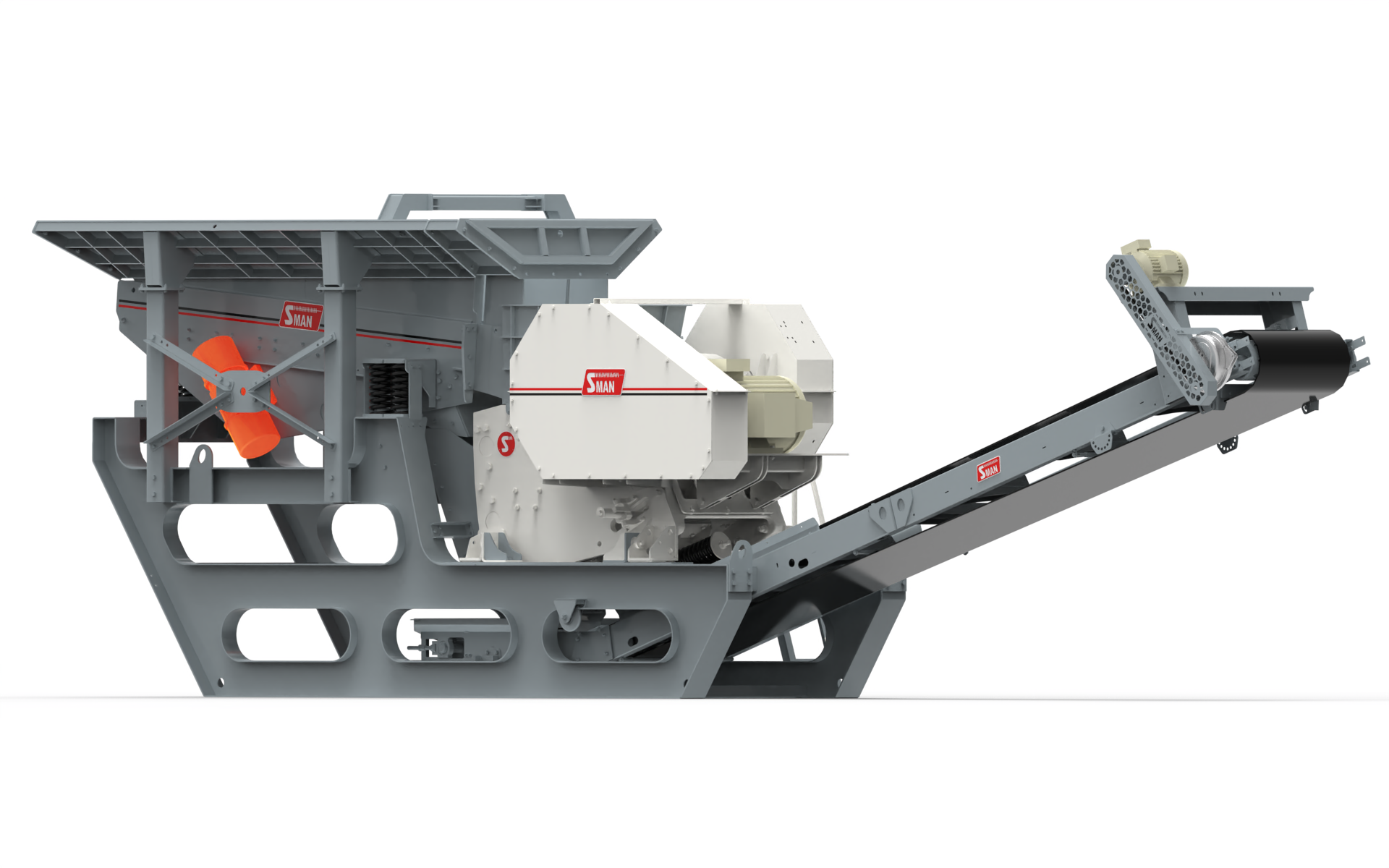
For larger projects, purchasing an individual crusher may not be enough.
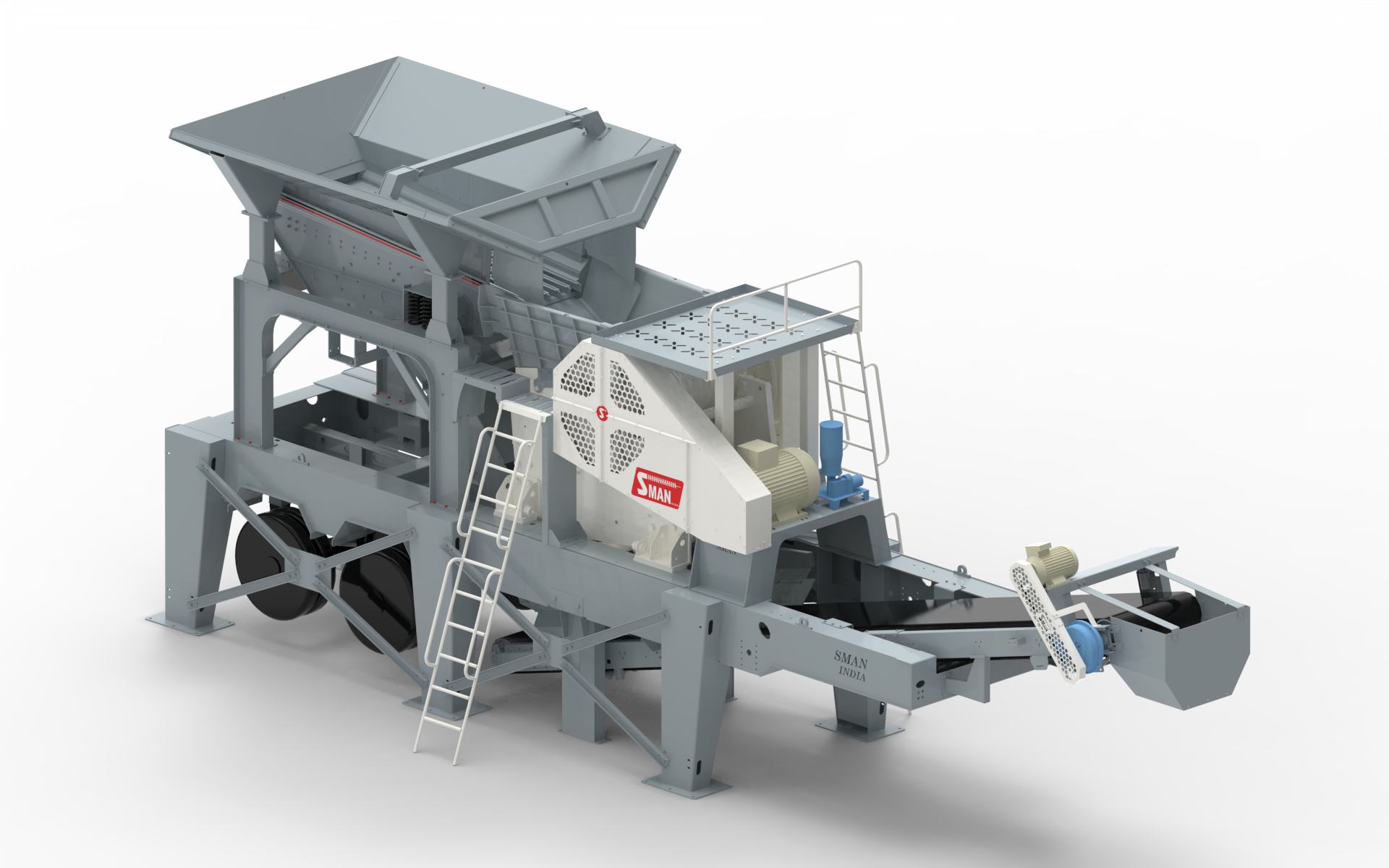
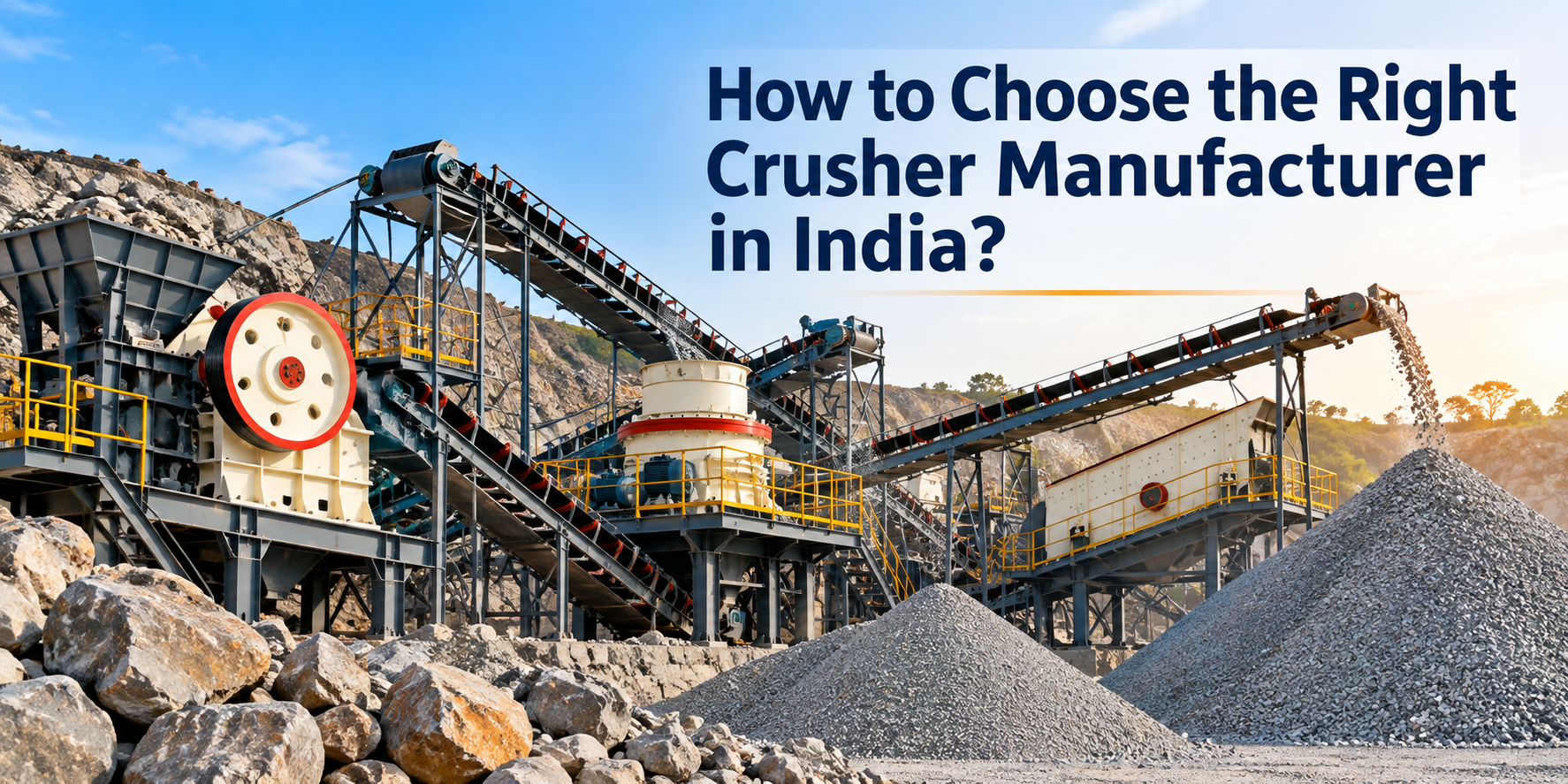
A complete crushing and screening plant can include multiple pieces of equipment working together.
Depending on the application, a plant may include:
- Primary crusher
- Secondary crusher
- Tertiary crusher
- VSI crusher
- Vibrating screens
- Conveyors
- Sand-making equipment
- Sand-washing equipment
- Allied equipment
A crushing plant manufacturer in India should be able to understand how the different equipment components work together within the required process.
When discussing a complete plant, provide information about:
- Material
- Feed size
- Production capacity
- Required output
- Number of products
- Available site area
- Operating conditions
This gives the manufacturer a clearer understanding of the project.
7. Check the Manufacturer's Product Range
A manufacturer with a broader equipment range can be useful when your project requires more than one type of machine.
For example, Shakti Mining Equipments Private Limited, based in Nashik, Maharashtra, manufactures and supplies crushing and screening equipment under its product portfolio, including:
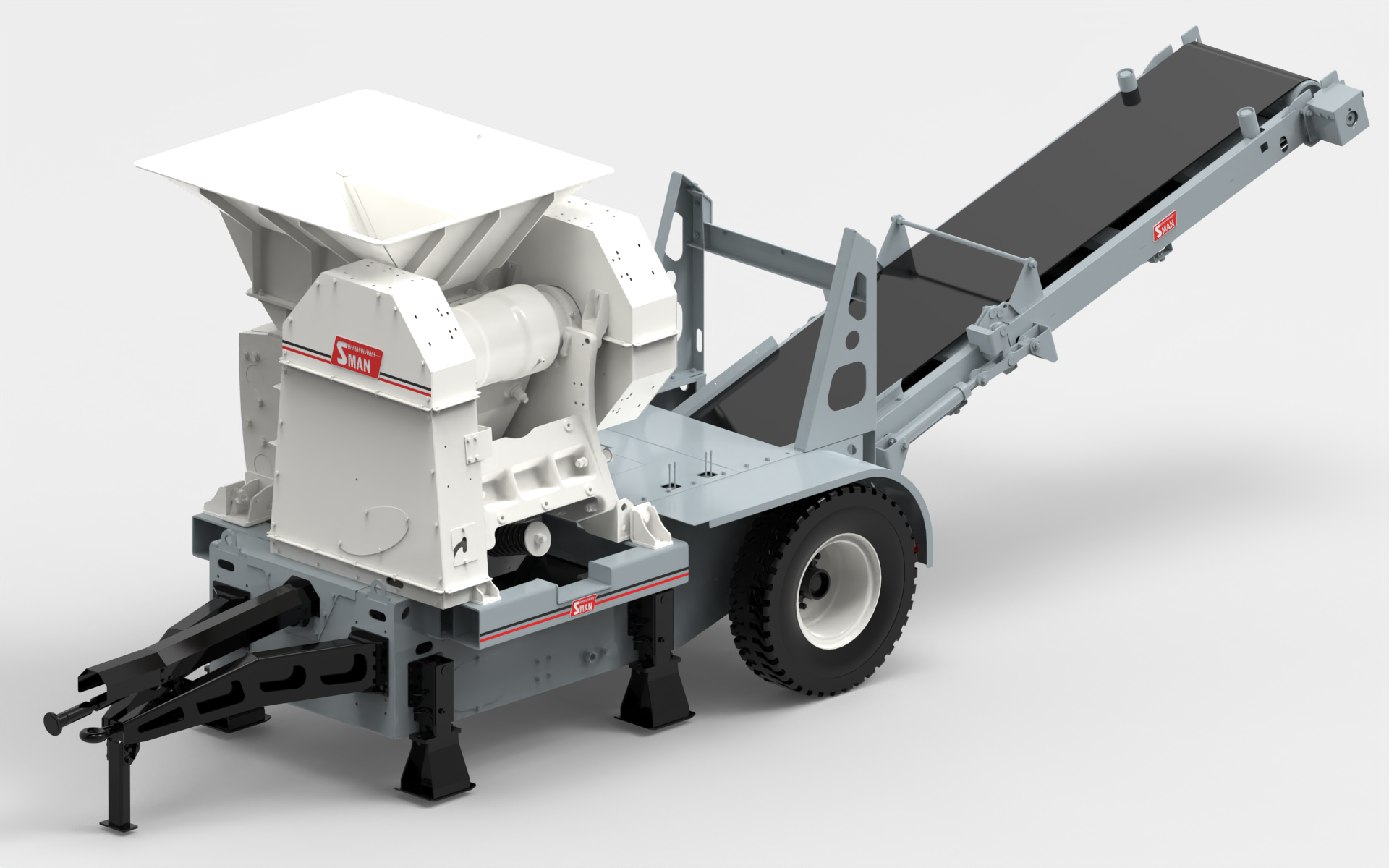
- SMAN Jaw Crushers
- SMAN Cone Crushers
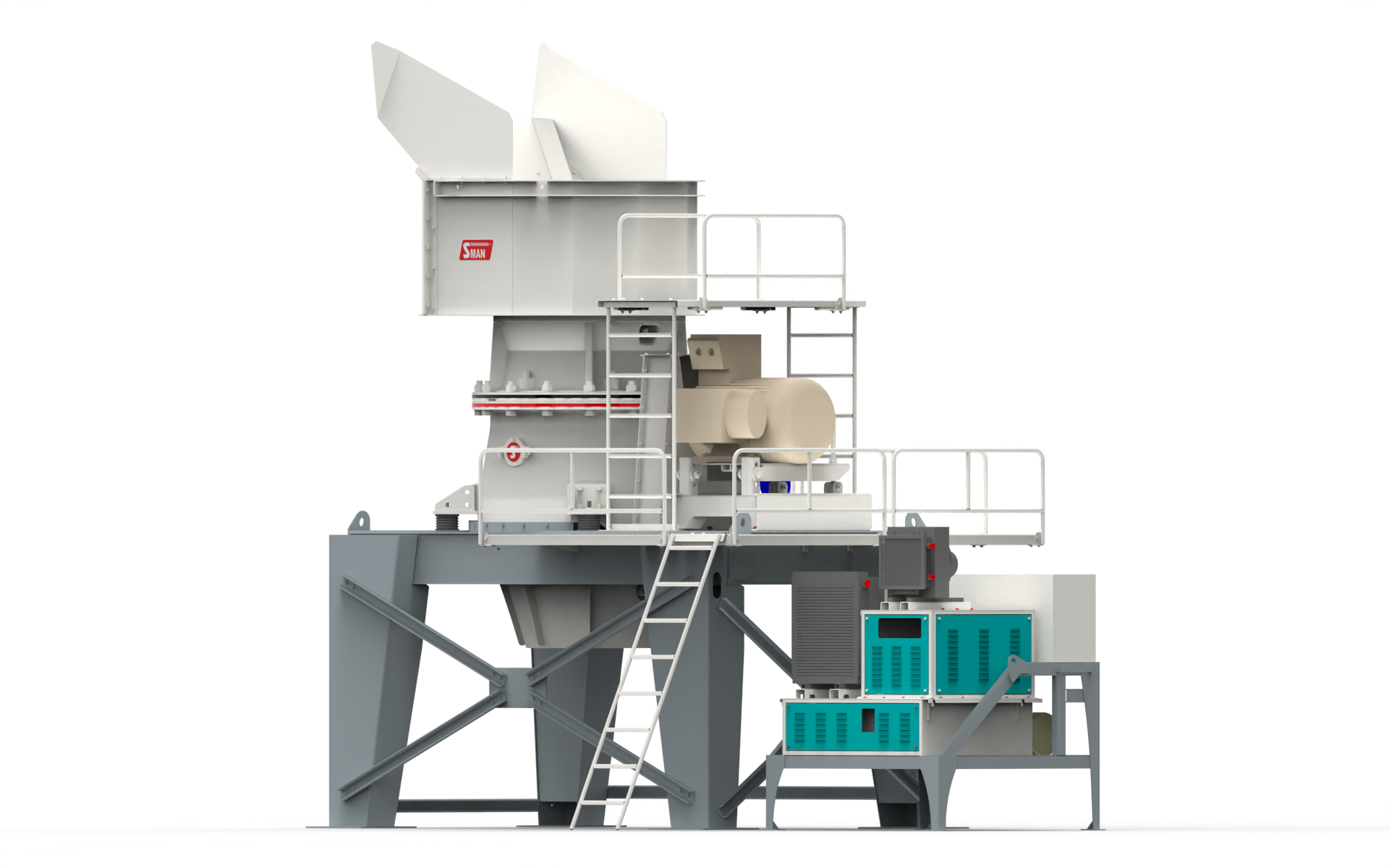
- SMAN Vertical Shaft Impactors
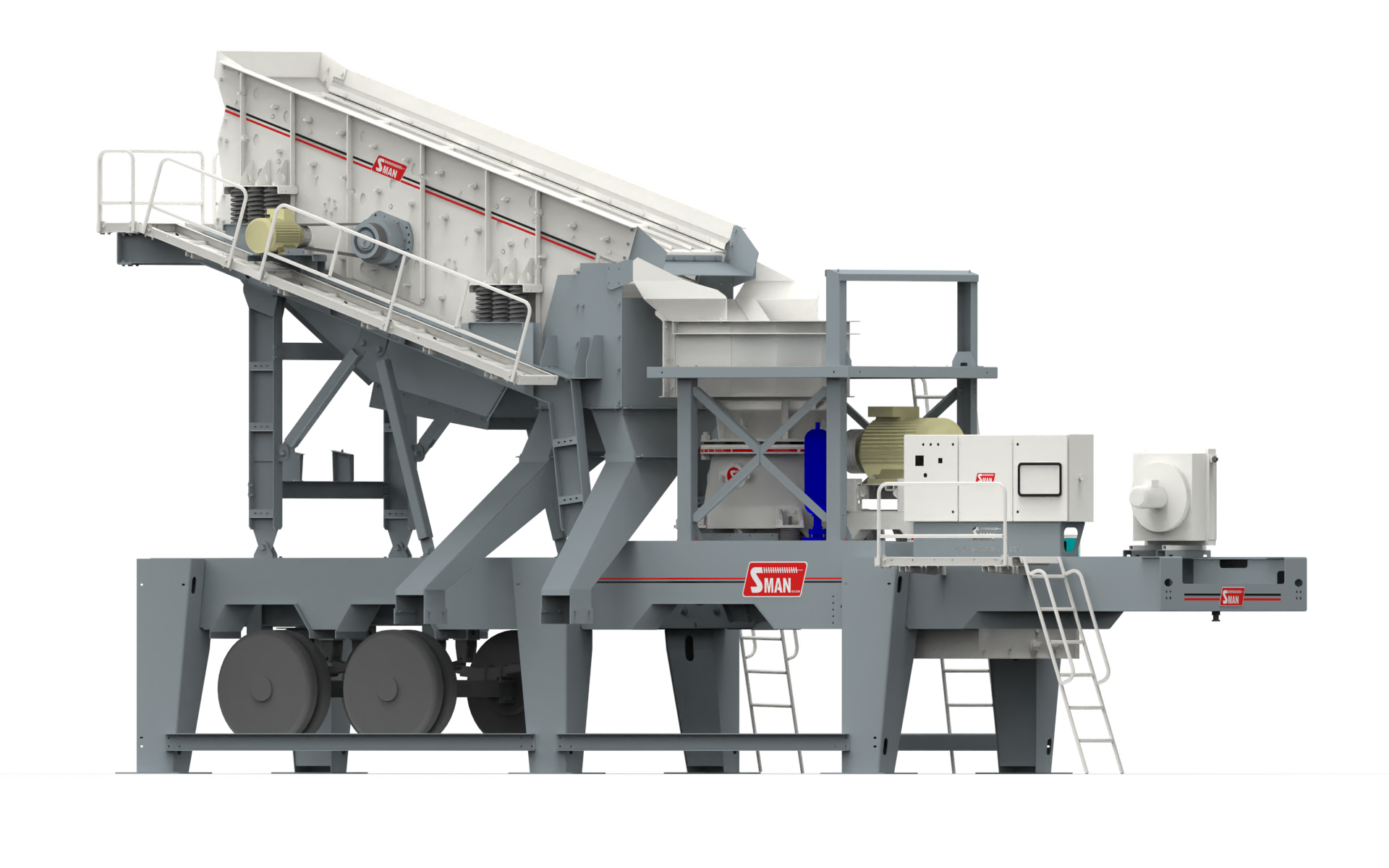
- Complete Crushing & Screening Plants
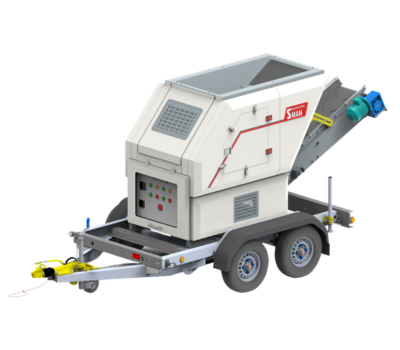
- Wheel Mounted Plants
- Sand Making Plants
- Sand Washing Plants
- PTO Crushers
- Coal Crushers
- Shredders
- Allied Equipment
This type of product range allows project requirements to be evaluated as a complete material-processing system rather than only as a single machine.
8. Ask About Manufacturing and Quality Processes
Before selecting a crushing equipment manufacturer in India, understand how the equipment is manufactured and what quality checks are followed.
Useful questions include:
- Where is the equipment manufactured?
- What components are used?
- What quality checks are performed?
- What operating conditions is the equipment designed for?
- What maintenance is required?
- Which wear parts need periodic replacement?
- Are spare parts available?
The answers can help you understand the equipment beyond its basic specifications.
9. Consider Spare Parts and After-Sales Support
A crusher is a production machine, so maintenance and availability of replacement parts are important considerations.
Before purchasing equipment, ask the manufacturer about:
- Spare parts availability
- Wear parts
- Maintenance requirements
- Technical assistance
- Service support
- Troubleshooting
- Installation and commissioning support, where applicable
After-sales support can become particularly important for continuous industrial operations where equipment downtime can affect production schedules.
10. Compare Manufacturers Based on Your Actual Requirement
When comparing two or more crusher manufacturers, avoid comparing only the machine price.
Instead, compare the complete solution against your project requirements.
Consider the following factors:
Crusher type: Is it suitable for your application?
Capacity: Does it meet your required TPH?
Feed size: Can it handle your material feed?
Output: Does it produce the required size?
Material: Is the equipment suitable for your material?
Plant configuration: Can the required crushing stages be integrated?
Maintenance: What are the maintenance requirements?
Spare parts: Are required parts available?
Support: What technical and service support is available?
Total solution: Does the manufacturer understand the complete application?
This approach helps you evaluate equipment based on technical suitability rather than price alone.
Questions to Ask a Crusher Manufacturer Before Purchasing
Before finalizing a manufacturer, ask these questions.
What crusher is suitable for my material?
The answer depends on material type, hardness, feed size, required capacity, output size and crushing stage.
What capacity crusher do I need?
Capacity should be selected according to the required production rate and the characteristics of the material being processed.
Do I need one crusher or a complete crushing plant?
This depends on the required output, number of crushing stages and final product specifications.
Can the crusher handle my feed size?
Provide the manufacturer with the maximum and average feed size so the equipment can be evaluated correctly.
What maintenance is required?
Ask about routine maintenance, wear components and recommended inspection intervals.
Are spare parts available?
Confirm the availability of important wear and replacement parts before purchasing the equipment.
Does the manufacturer provide technical support?
Ask what support is available for installation, operation, maintenance and troubleshooting.
Why Application-Based Crusher Selection Matters
There is no single crusher configuration that is suitable for every project.
A quarry producing aggregate may have different requirements from a mining operation processing a particular mineral. Similarly, a manufactured sand application can have different equipment requirements from a primary crushing application.
This is why the selection process should begin with the material and final product requirement, rather than starting with a particular machine model.
A reliable crusher manufacturer in India should be able to understand these requirements and discuss the appropriate equipment configuration for the application.
About Shakti Mining Equipments
Shakti Mining Equipments Private Limited is an Indian manufacturer of crushing and screening equipment based in Nashik, Maharashtra.
The company was established in 1986 and operates under brands including KAMAL, SHAKTIMAN and SMAN.
Its product portfolio includes jaw crushers, cone crushers, vertical shaft impactors, crushing and screening plants, wheel-mounted plants, sand-making plants, sand-washing plants, PTO crushers, coal crushers, shredders and allied equipment.
For project-specific equipment selection, the required material, capacity, feed size and output requirements should be discussed with the manufacturer.
Frequently Asked Questions
1. How do I choose the right crusher manufacturer in India?
Choose a manufacturer based on your material, required capacity, feed size, output size, crusher type, complete plant requirements, spare parts availability and technical support. The manufacturer should understand your application before recommending equipment.
2. What factors should I consider when selecting a crusher manufacturer?
Important factors include manufacturing capability, equipment range, application experience, capacity, material suitability, plant configuration, maintenance requirements, spare parts availability and after-sales support.
3. What types of crushers are manufactured in India?
Crusher manufacturers in India produce different types of equipment, including jaw crushers, cone crushers, VSI crushers, coal crushers and other crushing equipment. The appropriate type depends on the application and required crushing stage.
4. How do I choose the right crusher for my project?
Start by defining the material type, material hardness, maximum feed size, required production capacity, desired output size and number of crushing stages. These factors help determine the appropriate crusher configuration.
5. What crusher capacity is suitable for my production requirement?
The required capacity depends on your target production rate, material characteristics, feed size, output requirement and operating conditions. A manufacturer can evaluate these factors to recommend an appropriate capacity.
6. How does material hardness affect crusher selection?
Material hardness and abrasiveness influence the type of crusher, crushing stages and wear components required. The material characteristics should therefore be provided to the manufacturer before selecting equipment.
7. Do crusher manufacturers in India provide complete crushing and screening plants?
Yes, some Indian manufacturers provide complete crushing and screening plant solutions that combine crushers, screens, conveyors and other equipment according to the required application and process flow.
8. What after-sales support should I expect from a crusher manufacturer?
Depending on the manufacturer and project, support may include installation guidance, technical assistance, maintenance information, troubleshooting, spare parts and service support.
Conclusion
Selecting the right crusher manufacturer in India requires more than comparing machine prices or specifications. The correct decision depends on understanding the complete application, including material type, hardness, feed size, production capacity, required output and crushing stages.
Before purchasing equipment, clearly define your production requirements and discuss them with the manufacturer. Evaluate the equipment range, manufacturing capability, maintenance requirements, spare parts availability and technical support.
For mining, quarrying, aggregate and material-processing projects, an application-focused approach can help identify a crushing solution that is appropriate for the project's technical requirements.