Cone Crusher vs Jaw Crusher: Key Differences, Applications and Uses
Cone Crusher vs Jaw Crusher: Key Differences, Applications and Uses
Choosing the right crusher is an important decision when planning a mining, quarrying or aggregate processing operation. The equipment selected at each stage affects how material moves through the plant, the size of the output and the overall production process.
Two machines commonly used in crushing operations are the jaw crusher and the cone crusher. Both reduce large rocks into smaller sizes, but they are designed for different stages of material processing.
So, what is the difference between a cone crusher and a jaw crusher? Which one should you choose for your project?
Let's understand how these machines work, where they are used and what to consider before selecting one.
What Is a Jaw Crusher?
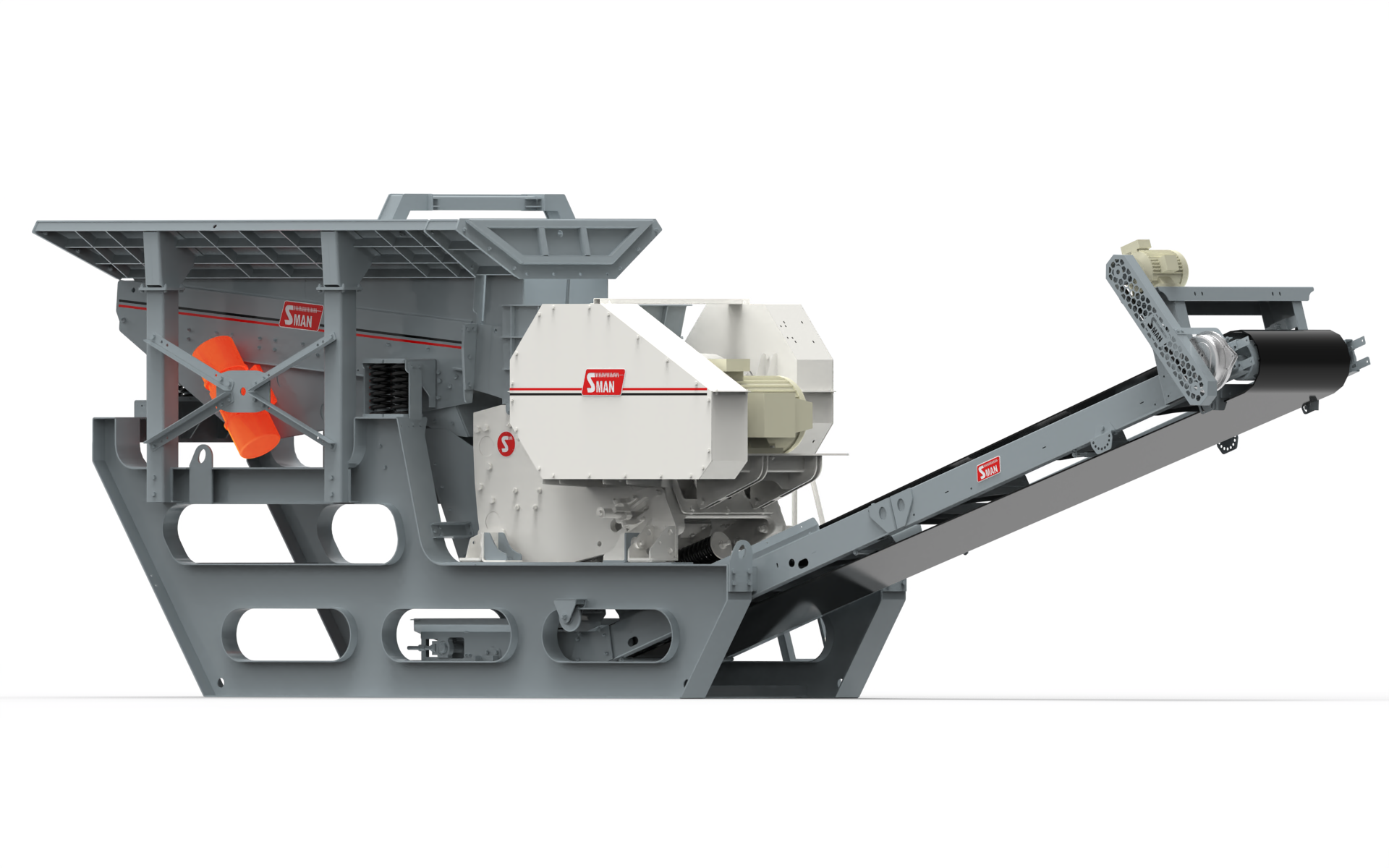
A jaw crusher is a machine generally used for primary crushing. It reduces large rocks and other feed materials through compression between two surfaces: one fixed jaw and one moving jaw.
As the moving jaw travels towards the fixed jaw, the material is compressed and broken into smaller pieces. The crushed material then moves towards the discharge opening.
Jaw crushers are commonly used when large feed material needs to be reduced before it moves to the next stage of processing.
Common Applications of Jaw Crushers
Jaw crushers are widely used in:
Mining and mineral processing
Stone quarries
Granite and basalt crushing
Iron ore processing
Construction and demolition waste processing
Primary crushing in aggregate plants
When Should You Use a Jaw Crusher?
A jaw crusher is generally suitable when your operation involves large-sized raw material and requires primary size reduction.
For example, in a quarry, large rocks extracted through blasting may first pass through a jaw crusher. The reduced material can then be transferred to secondary crushing equipment, depending on the required final product.
What Is a Cone Crusher?
A cone crusher is commonly used for secondary and tertiary crushing. It reduces material that has already undergone primary crushing.
The machine works through compression between two main components: the mantle and the concave. The mantle moves in an eccentric motion inside the concave, applying pressure to the material and reducing its size.
Cone crushers are commonly considered when a crushing plant requires further size reduction after the primary crushing stage.
Common Applications of Cone Crushers
Cone crushers are used in:
Hard rock crushing
Aggregate production
Mining operations
Quarrying
Secondary crushing
Tertiary crushing
Multi-stage crushing plants
When Should You Use a Cone Crusher?
A cone crusher is generally suitable when material has already been reduced to a manageable size and needs further crushing.
For example, after primary crushing in a quarry, material may be transferred to a cone crusher to achieve the required product size for aggregate production.
The right configuration depends on feed material, capacity, required output and the overall crushing circuit.
Cone Crusher vs Jaw Crusher: Key Differences
Although both machines use compression to crush material, their design, working mechanism and typical applications are different.
| Comparison Factor | Jaw Crusher | Cone Crusher |
|---|---|---|
| Main crushing stage | Primary | Secondary or tertiary |
| Crushing principle | Compression between fixed and moving jaws | Compression between mantle and concave |
| Typical feed | Large-sized raw material | Material already reduced by primary crushing |
| Main purpose | Initial size reduction | Further size reduction |
| Common applications | Mining, quarrying and primary crushing | Aggregate production and secondary crushing |
| Main crushing components | Fixed jaw and moving jaw | Mantle and concave |
| Plant position | Usually at the beginning of the crushing circuit | Usually after primary crushing |
The important point is that these machines are not always alternatives to each other. In many crushing plants, they work together as part of a multi-stage crushing process.
How Does a Jaw Crusher Work?
A jaw crusher uses a relatively straightforward compression mechanism.
Raw material enters the crushing chamber through the feed opening.
The moving jaw travels towards the fixed jaw.
The material is compressed and broken into smaller pieces.
The crushed material moves downwards through the chamber.
Material exits through the discharge opening.
The discharge setting and machine configuration influence the resulting product size. Actual output also depends on feed characteristics and operating conditions.
How Does a Cone Crusher Work?
A cone crusher uses a rotating eccentric mechanism to create movement between the mantle and concave.
Material enters the crushing chamber from the top.
The mantle moves in an eccentric motion inside the concave.
Material is compressed between the two crushing surfaces.
Repeated compression reduces the material size.
Crushed material moves towards the discharge area.
The operating configuration and crushing chamber selection should match the feed material and required output.
Can a Jaw Crusher and Cone Crusher Be Used Together?
Yes. In fact, using both machines in a properly designed crushing circuit is common in mining, quarrying and aggregate production.
A typical process may look like this:
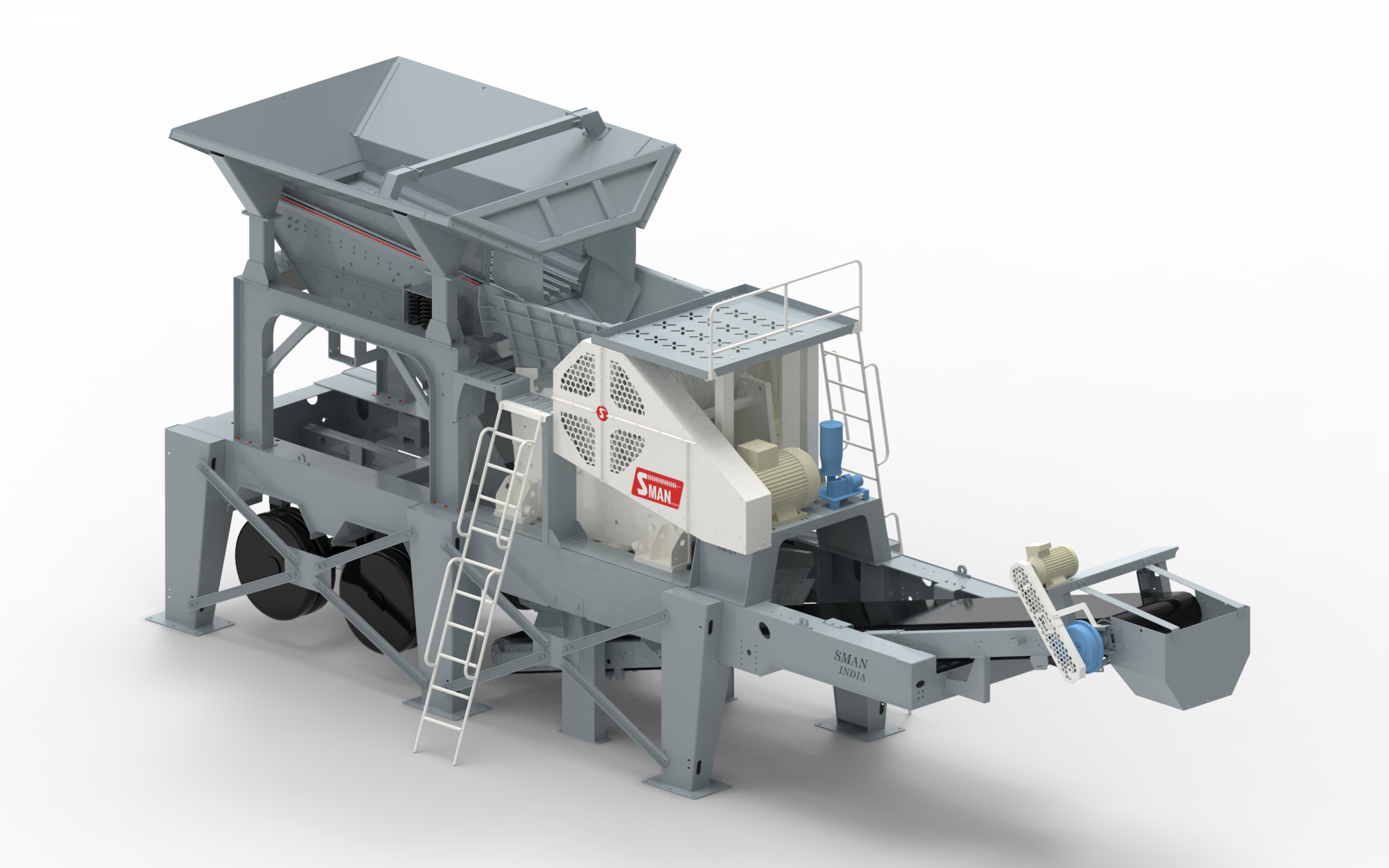
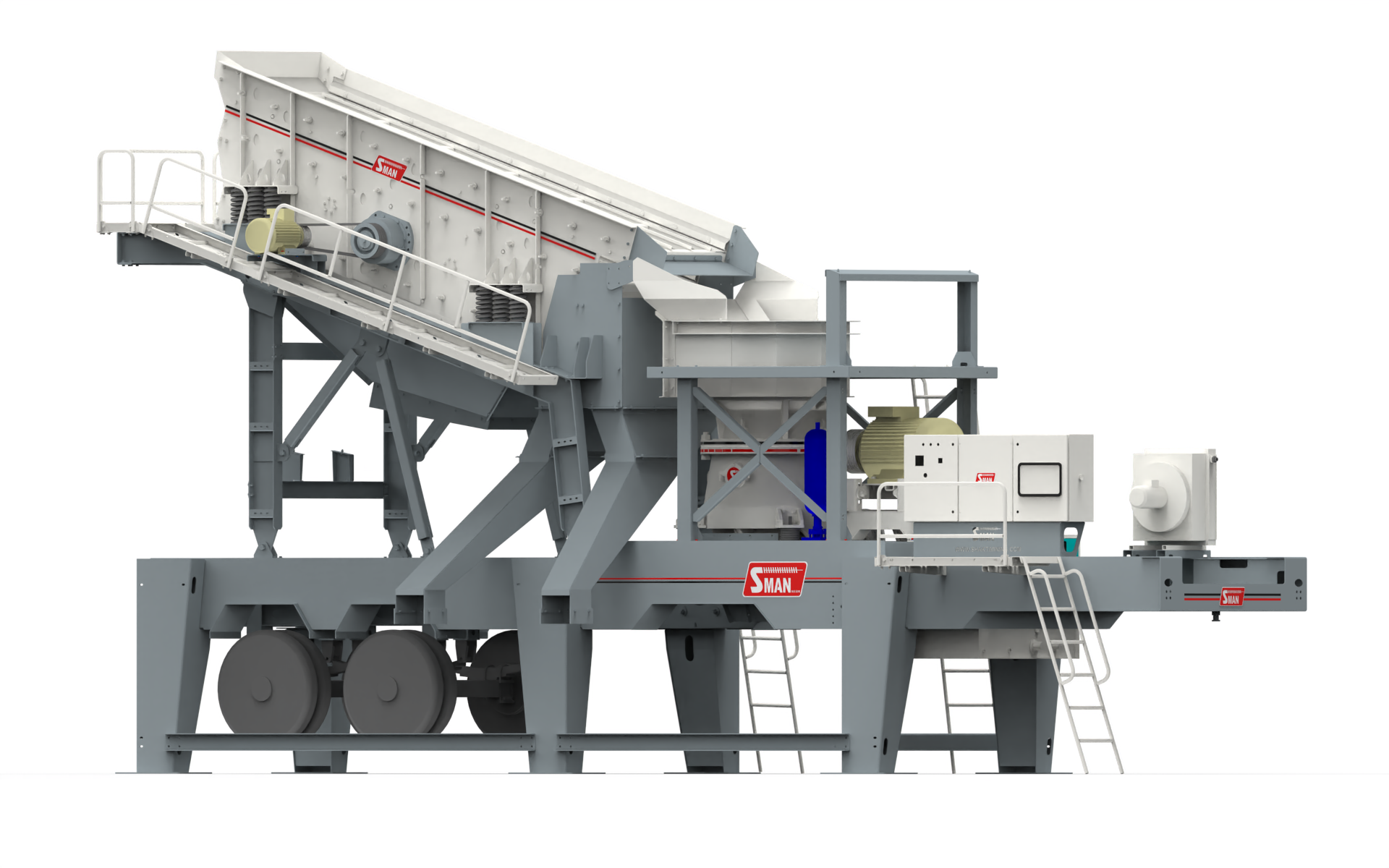
Raw Material → Feeder → Jaw Crusher → Cone Crusher → Vibrating Screen → Final Aggregates
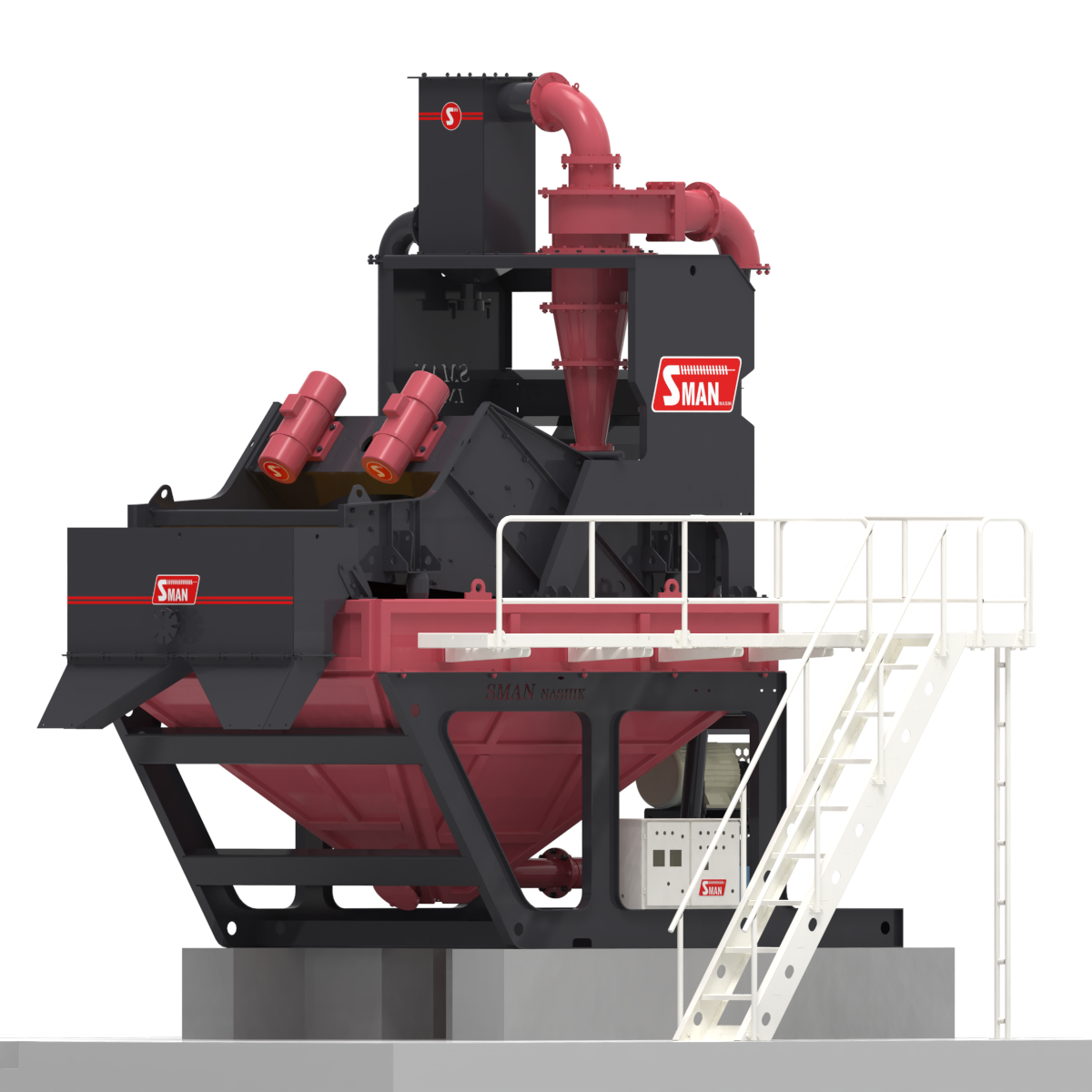
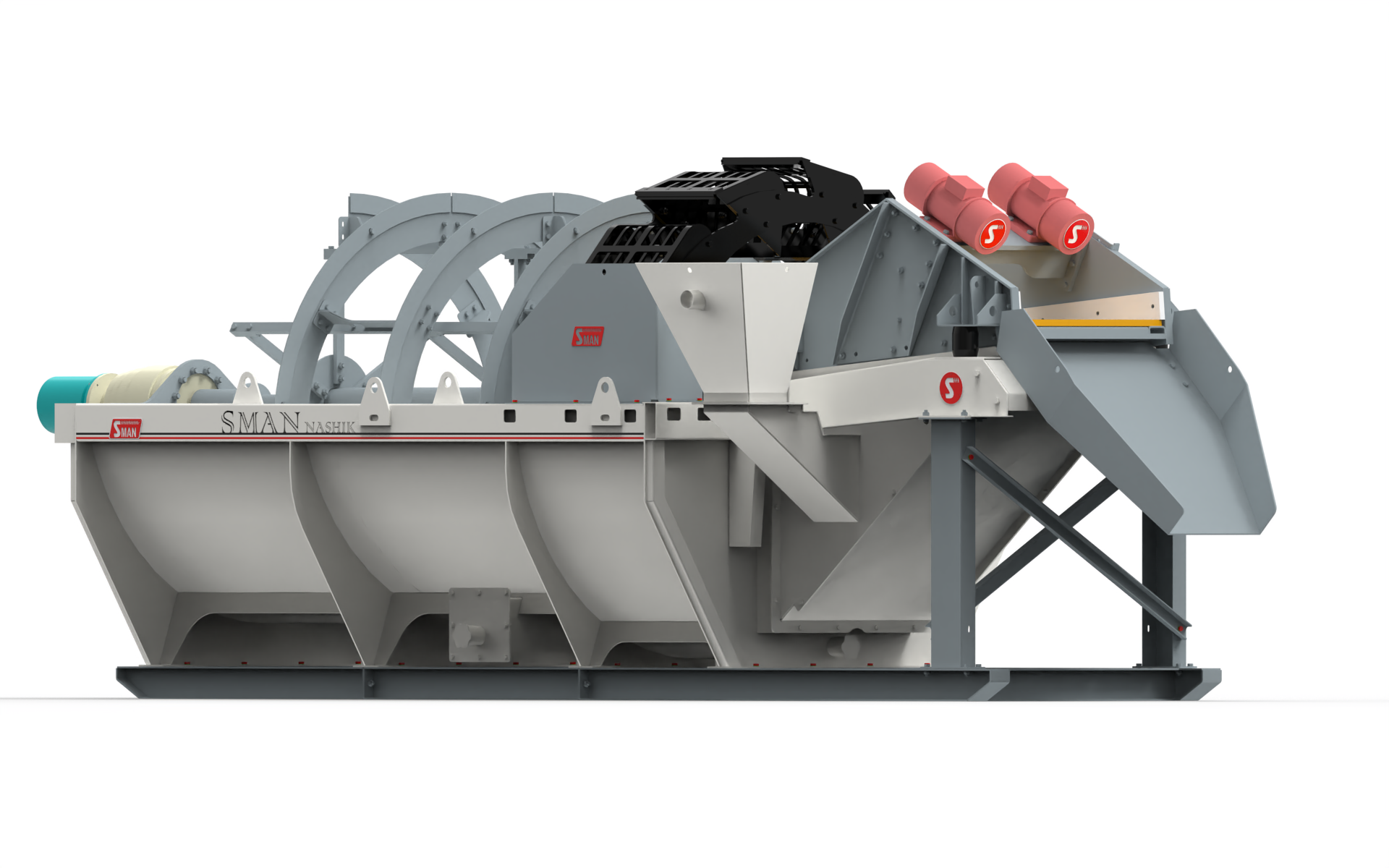
Depending on the project, additional equipment such as VSI crushers, conveyors and sand-washing units may be included.
For example:
The jaw crusher handles the initial reduction of large rocks.
The cone crusher performs further size reduction.
The vibrating screen separates material into different size fractions.
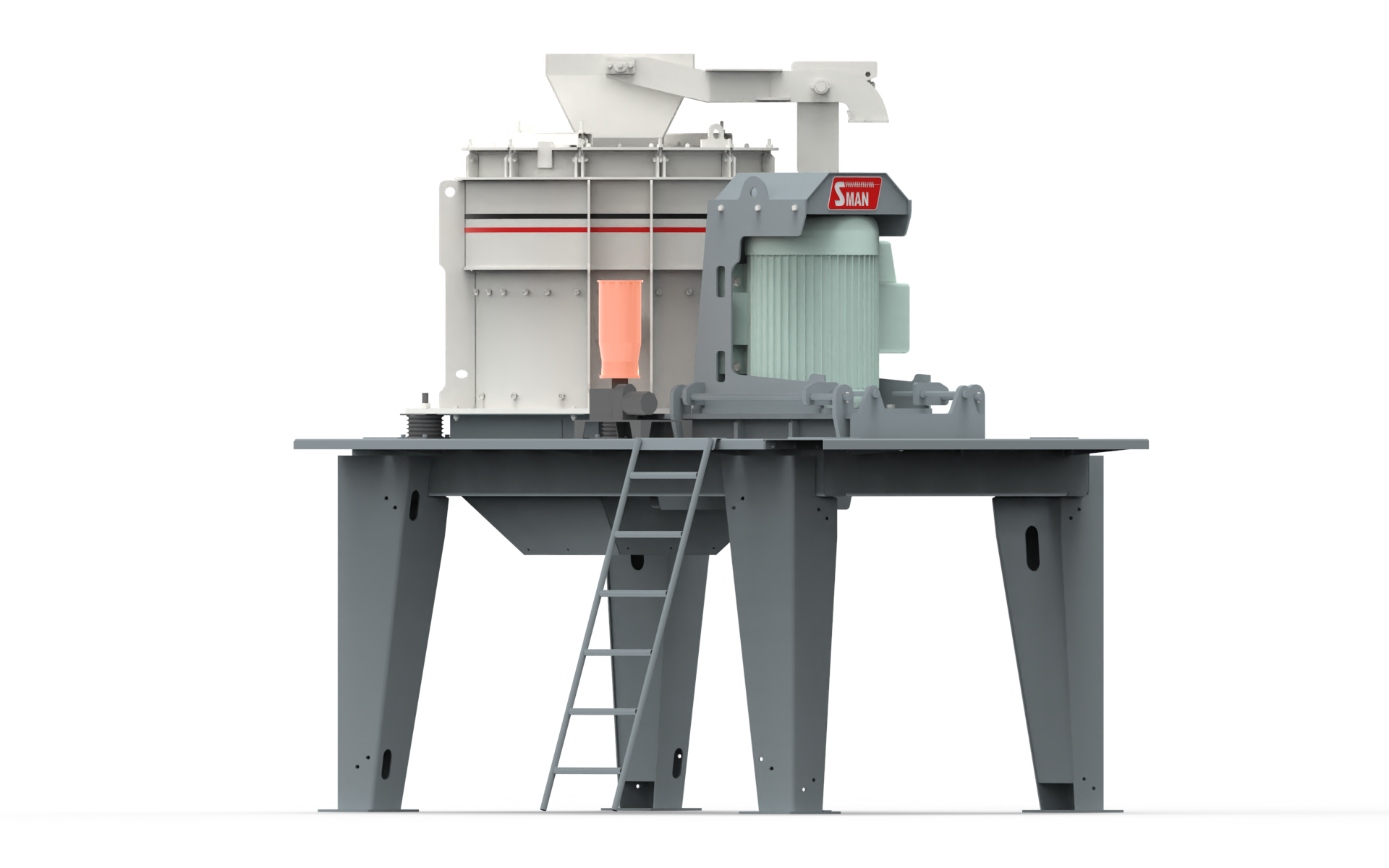
A VSI crusher may be added when further shaping or manufactured sand production is required.
The actual plant layout depends on material properties, production capacity and the final product specifications.
Which Crusher Is Better for Hard Rock?
There is no single answer for every hard-rock application.
A jaw crusher is commonly considered for primary crushing of large and tough feed material. A cone crusher may be suitable for further processing after the primary crushing stage.
The selection should consider:
Rock type and hardness
Abrasiveness of the material
Maximum feed size
Required production capacity
Desired output size
Crushing stages
Wear-part requirements
Overall plant configuration
A technical assessment of the material and production requirements is recommended before finalising the equipment.
Factors to Consider Before Choosing a Crusher
Before investing in a jaw crusher or cone crusher, evaluate the complete requirements of your project.
1. Material Characteristics
Understand the type of material you need to process. Granite, basalt, iron ore, quartzite and other materials can have different hardness and abrasiveness characteristics.
2. Feed Size
Check the maximum size of material entering the crusher. The equipment must be suitable for the feed size and crushing stage.
3. Required Production Capacity
Estimate your required output in tonnes per hour (TPH). Select a suitable machine and plant configuration based on the production target.
4. Final Product Size
Consider the aggregate sizes required by your customers or project. The final output specification influences the selection of crushing and screening equipment.
5. Plant Configuration
Think about how the crusher will operate with feeders, conveyors, screens and other machines. Equipment selection should support the complete material flow.
6. Maintenance and Support
Consider access to wear parts, routine maintenance requirements and technical support. These factors matter for the long-term operation of an industrial crushing plant.
Jaw Crusher and Cone Crusher Solutions from Shakti Mining
Shakti Mining Equipments Private Limited is an Indian manufacturer and exporter of crushing and screening plants and equipment for mining and construction applications. The company has been serving the industry since 1986.
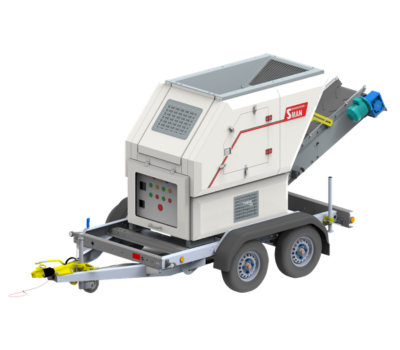
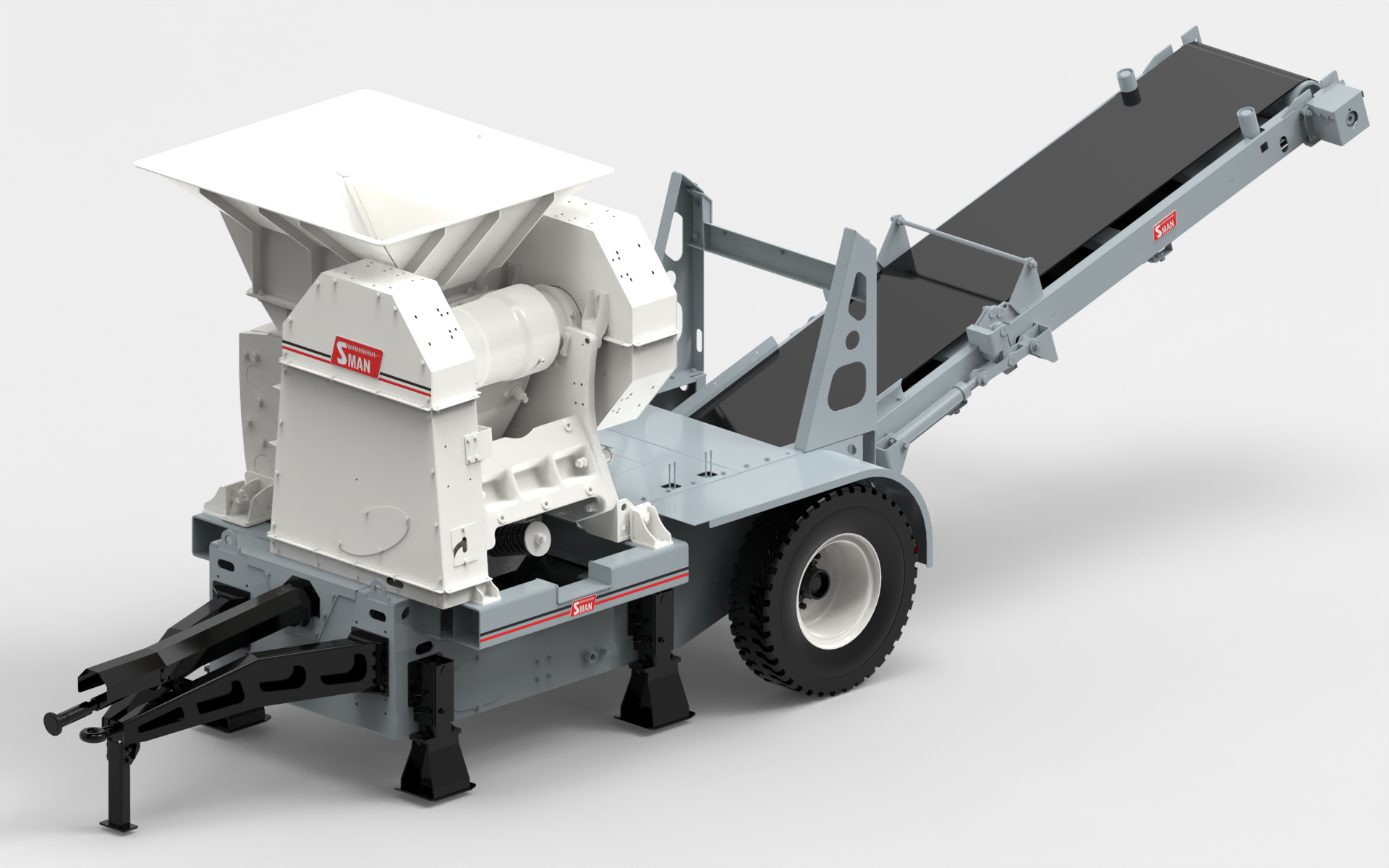
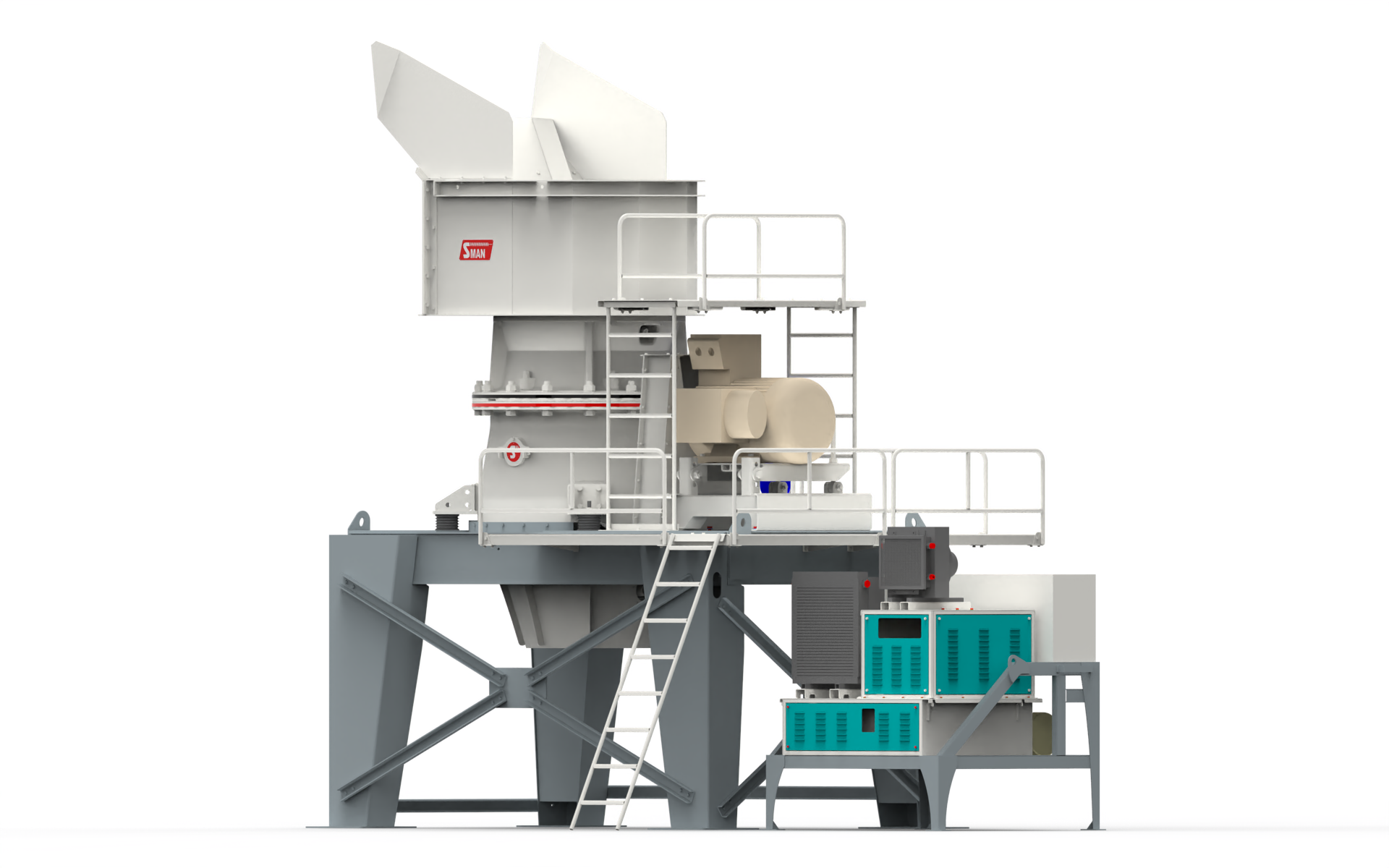
Its SMAN product range includes jaw crushers, cone crushers, vertical shaft impactors and complete crushing and screening plant solutions.
Whether your project requires primary crushing, secondary crushing or a complete plant configuration, the equipment should be selected according to the material, production target and final product requirements.
Explore the equipment range:
SMAN Jaw Crusher: View Jaw Crusher
SMAN Cone Crusher: Explore Cone Crusher
Complete Crushing & Screening Plants: Explore Plant Solutions
For project-specific requirements, contact the Shakti Mining team to discuss your material, feed size, production capacity and desired output.
Frequently Asked Questions
1. What is the main difference between a jaw crusher and a cone crusher?
A jaw crusher is generally used for primary crushing and handles large feed material. A cone crusher is commonly used for secondary or tertiary crushing to reduce material further.
2. Which crusher is used for primary crushing?
Jaw crushers are commonly used for primary crushing because they are designed to handle large-sized raw material.
3. What is a cone crusher mainly used for?
A cone crusher is mainly used for secondary and tertiary crushing in mining, quarrying and aggregate processing operations.
4. Can a cone crusher replace a jaw crusher?
Not in every application. The machines perform different roles in a crushing circuit. A jaw crusher is generally used for primary crushing, while a cone crusher is used for further size reduction.
5. Can jaw and cone crushers work in the same plant?
Yes. A jaw crusher can perform primary crushing, followed by a cone crusher for secondary crushing. The combination depends on the material and final product requirements.
6. Which crusher is suitable for aggregate production?
Both can be part of an aggregate production plant. A jaw crusher may be used for primary reduction, while a cone crusher can produce further size reduction. Screening equipment helps separate the required aggregate sizes.
7. What information is required to select the right crusher?
You should know the material type, hardness, maximum feed size, required production capacity, desired output size and intended crushing stage.
8. Does Shakti Mining manufacture both jaw crushers and cone crushers?
Yes. Shakti Mining's SMAN equipment range includes jaw crushers and cone crushers, along with VSI equipment and complete crushing and screening plant solutions.
Final Thoughts
A jaw crusher and a cone crusher serve different but complementary purposes in a crushing operation. The jaw crusher is generally selected for primary size reduction, while the cone crusher is used for further reduction in secondary or tertiary stages.
The right choice depends on your material, feed size, production target and final product requirements. Understanding these differences can help you plan a more suitable crushing circuit for your mining or quarrying project.
Planning a crushing plant for your project?
Contact Shakti Mining Equipments Pvt. Ltd. to discuss your crushing and screening equipment requirements.
Website: https://www.shaktimining.com/